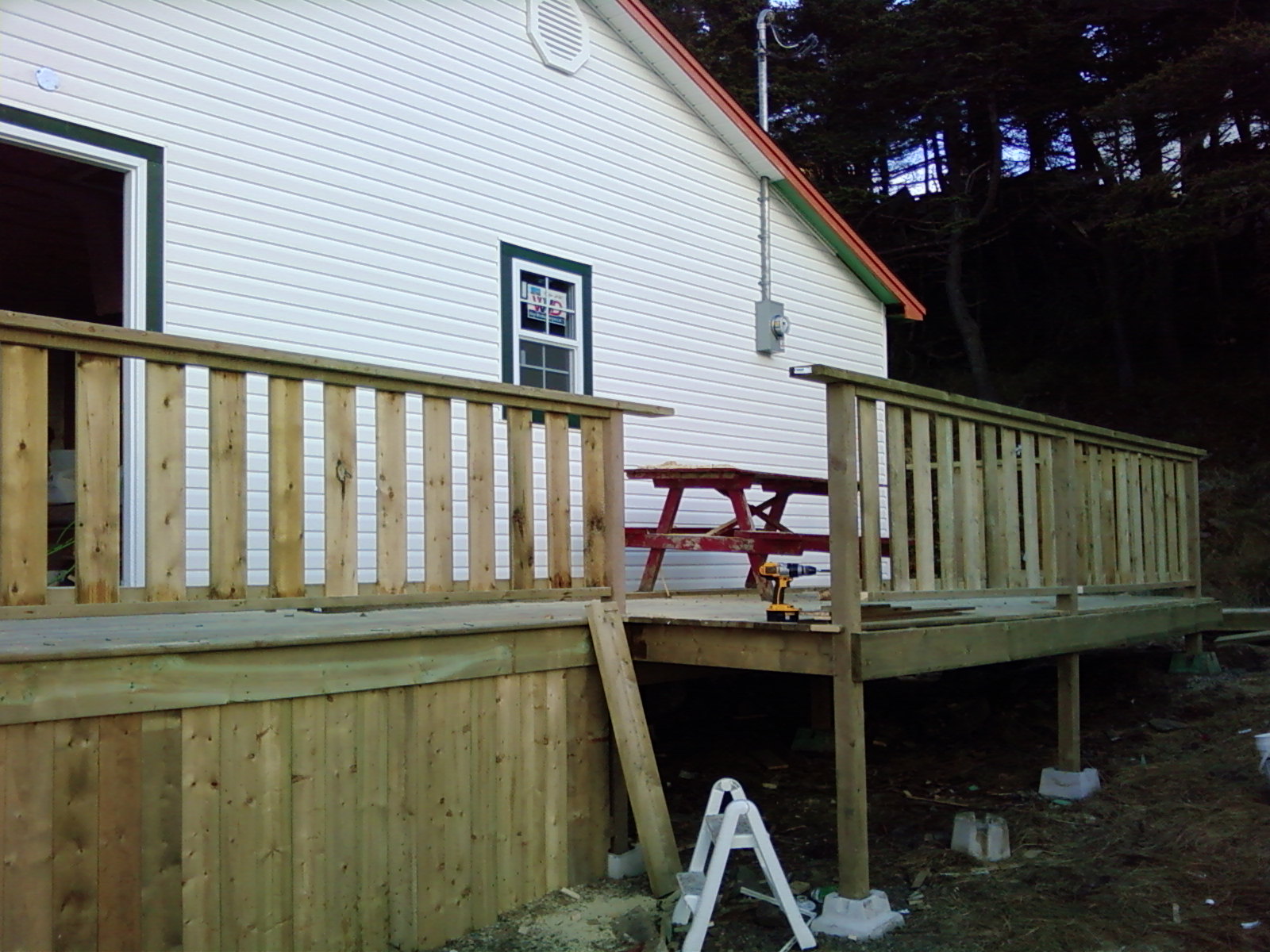
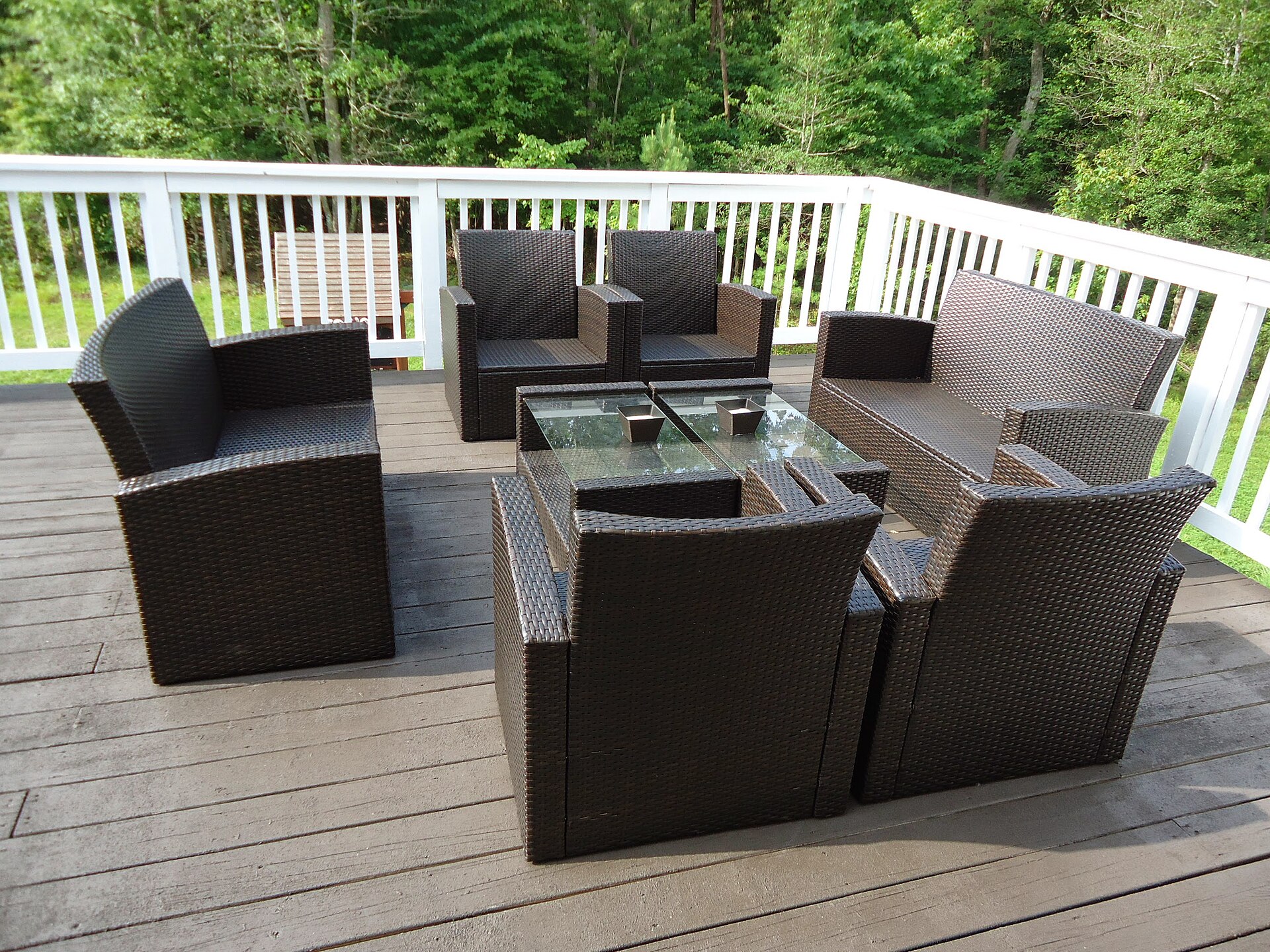
Buying a new deck in Maple Ridge
Maple Ridge had about 91,000 residents in the [2021 Census](https://www150.statcan.gc.ca/t1/tbl1/en/tv.action?geocode=A00055915075&pid=9810000203&request_locale=en). On the north bank of the Fraser River, the dense subdivisions of Albion and Silver Valley give way to the acreages of Websters Corners, Whonnock and Ruskin, and the older streets of Port Haney and Hammond sit close to the river. That spread is the first thing a deck buyer has to understand: a lot in a new Albion subdivision and a treed acre in Whonnock are different jobs, with different ground, different setbacks and sometimes a different permit path.
Permits and bylaw rules
The City's [Residential Deck Application Guidelines](https://www.mapleridge.ca/media/file/residential-deck-application-guidelines) set out what an attached or detached deck application needs, and the [building permits page](https://www.mapleridge.ca/build-do-business/construction-development-permits/building-permits) is the starting point for the application itself. Before plans are drawn, the City asks applicants to confirm the zoning, whether the property has streams or ponds that trigger environmental setbacks and habitat protection, whether covenants on title restrict where you can build, and whether the lot is in a wildfire hazard area, where extra measures apply to limit fire spread. Two Maple Ridge-specific checks matter more than most buyers expect. The Fraser River escarpment area — the band between the Fraser to the south, 124 Avenue to the north, 207 Street to the west and 224 Street to the east — can require additional construction, engineering and registered covenants. And a deck on a lot without municipal sanitary sewer needs provincial Sewerage Regulation compliance, verified by an authorized person, before the permit is issued, because footings must not land on a septic field or tank. Lots beside slopes need a geotechnical engineer. A sealed structural design is required for decks with a roof, decks with glass in the guardrails, and cantilevered portions over 24 inches. Expect two sets of plans and two metric site plans showing grade elevations, and a legal survey on site at the foundation inspection on smaller lots.
Lots, soil and climate
Lot sizes in Maple Ridge run from compact subdivision parcels to multi-acre rural properties, and the ground changes with them. The low ground near the Fraser and the creeks that drain into it stays wet through the winter, while the upland acreages of Whonnock are treed and shaded, with needles and debris that push most owners toward composite or PVC decking and a cedar option only where the budget wants warmth and the owner will re-stain. The Fraser Valley climate is wet for half the year, so rot, moss and ledger flashing — not frost — are the long-term enemies. On the escarpment and on any sloped lot, drainage and footing depth decide whether the deck is still level in ten years. A builder who digs or probes the footing locations before quoting is worth more here than one who prices from a photograph.
The season
The build season runs roughly April through October. Good crews are quoting in late winter for spring starts, and June through August fills first, so a midsummer call may buy you an autumn build. Off-season work happens in the mild coastal air, but expect rain days, mud and schedule flex around wet weather.
What drives the price and what to ask
Quotes in Maple Ridge swing on height above grade and the guards and stairs it triggers, footing count and depth on wet or sloped ground, geotechnical and engineering fees on the escarpment or near slopes, septic and covenant checks on rural lots, tree and stump removal, demolition of the old deck, and the choice between pressure-treated, cedar and composite. Access is a real cost: a rear-yard acreage with a narrow side gate prices differently from a subdivision lot with a driveway beside it.
Ask each Maple Ridge deck builder:
- Is my address in the Fraser River escarpment area or a wildfire hazard area, and what extra engineering or covenant work does that add?
- On a lot without municipal sewer, who confirms the septic field and tank locations before footings are dug?
- Are my footings specified for the actual soil and winter water table, not just summer ground?
- Does my deck need a sealed structural design for a roof, glass guards or a long cantilever?
- Who prepares the site plans and pulls the permit — you or me?
- Is the ledger flashing detail in the quote, and how does it tie into my siding?
- Is excavation a fixed price or an allowance if you hit rock, fill or buried concrete?
- What does the written warranty cover — structure, labour and materials — and who services it in year three?